About This The Cornflower Sweater Pattern
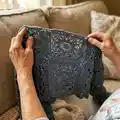
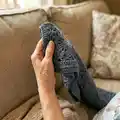
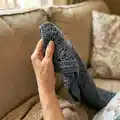
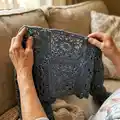
This pattern creates the Cornflower Sweater: an oversized pullover assembled from 8-inch floral motif granny-style squares. Each square is worked in rounds to form a flower center with chain-looped edges, finished with textured triple-crochet rows for a framed square.
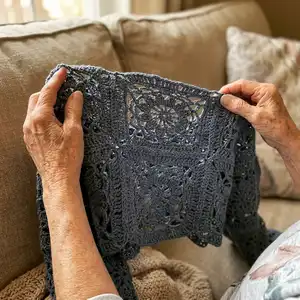
Youll make multiple identical squares, block them for even shape, and sew them into two panels (front and back) to achieve a relaxed, drapey sweater. The design is customizable for size and length.
Why You'll Love This The Cornflower Sweater Pattern
I absolutely love this pattern because the floral squares feel both romantic and modern, combining lacy petals with bold framed edges. I enjoy how you can make each square quickly yet the assembly produces a beautiful statement piece. Sewing the squares together creates a lovely braided seam that looks professional and unique, and blocking really transforms the motifs. I also love that you can easily scale the sweater by adding or removing squares for a tailored fit.
Switch Things Up
I love how easy it is to customize this sweater by changing colors; try a gradient of blues for a tonal cornflower look or alternate contrasting colors for each square.
Want a smaller or larger sweater? Change yarn weight and hook size: bulky yarn with a larger hook makes a chunky, cozy version while lighter yarn creates a delicate, drapey sweater.
I often substitute the triple-crochet petal with double-treble or puff stitches for a different petal texture—experiment to see what you prefer.
Try adding a border of single crochet or ribbed rows around the neckline and hem for more structure and a finished look.
To make a cardigan instead of a pullover, leave a vertical seam open at the front when assembling and add button bands or a tie closure.
For more arm room, add an extra row of squares to the sleeves or the panel sides to increase the arm span and create a boxier silhouette.
I like to embellish finished sweaters with small crocheted flowers or embroidered centers on select squares for a personalized touch.
Consider lining the sweater with a lightweight fabric if you prefer less transparency—hand-sew a simple cotton lining to the inside panels before finishing seams.
To create a shorter crop version, remove the bottom row of squares and reconfigure the panel layout to maintain balance across the chest and shoulders.
I sometimes join squares as I go using a slip-stitch join for a flatter seam—experiment with running stitch vs slip-stitch joins to see which seam you like best.
Common Mistakes & How to Fix Them
✗ Skipping the slip stitch join at the end of a round can leave an uneven edge; always locate and sl st to the indicated chain stitch to close each round neatly.
✗ Not counting the chains at the beginning of rounds as stitches will give you the wrong stitch totals; remember chains at round starts count as stitches when checking your work.
✗ Failing to block your squares results in irregular sizes and mismatched seams; block each square to the specified measurement before sewing to ensure even assembly.
✗ Sewing squares without aligning wrong sides together can hide the braided seam effect; place wrong sides facing each other and use a running stitch to reveal the double-braided seam when unfolded.