🧢 Beautiful ✨ Detailed πŸ’ Adorable

Capybara Amigurumi Pattern

Capybara Amigurumi Pattern
4.1β˜… Rating
1.5-2 Hours Time Needed
2.0K Made This
βœ‚οΈ

Intermediate Level

Ideal for those with basic crochet experience, featuring slightly more advanced stitches and techniques to expand your skills.

⏱️

Quick Make

Complete in under 2 hoursβ€”lightning fast fun for instant gratification and quick gifts.

🧸

Cute Companion

An adorable friend to cherish, handcrafted with love to bring comfort and joy for years to come.

About This Capybara Amigurumi Pattern

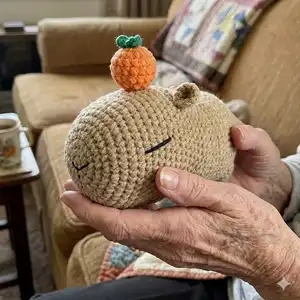
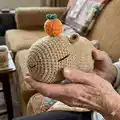
This pattern creates a soft, squishy capybara amigurumi crocheted with plush, super-bulky yarn for a wonderfully tactile finish. You will crochet the head and body as one piece, attach four legs while continuing the body, and add charming details like small ears and a tiny tangerine accessory. Clear step-by-step rounds and photo guidance help you place legs, ears, and embroider the face with confidence.

Capybara Amigurumi Pattern crochet pattern - detailed view of completed project

Designed for crocheters with basic skills, the pattern uses simple single crochet shaping and seaming techniques. It finishes quickly and provides a satisfying, huggable result you can customize with yarn colors and facial expressions.

Why You'll Love This Capybara Amigurumi Pattern

I absolutely love this pattern because it turns simple stitches into a charming, characterful capybara that feels wonderful to hold. The use of plush super-bulky yarn makes the toy soft and beginner-friendly while still delivering delightful texture. Attaching the legs as you crochet the body is a clever technique that keeps shaping tidy and reduces finishing work, which I always appreciate. I also enjoy the small creative touches β€” an embroidered sleepy face and a tiny tangerine with leaves make this piece unique and gift-ready. Each finished capybara feels lovingly handmade and makes me smile every time I see it.

Capybara Amigurumi Pattern step 1 - construction progress Capybara Amigurumi Pattern step 2 - assembly progress Capybara Amigurumi Pattern step 3 - details and accessories Capybara Amigurumi Pattern step 4 - final assembly and finishing

Switch Things Up

I love how easy it is to customize this capybara by changing yarn colors β€” try pastel beige for a softer look or a golden brown for a more realistic tone.

To make a mini keychain version, use a finer yarn and smaller hook; you can scale the pattern down by choosing DK yarn and a 2.5–3.5 mm hook.

If you want a chunkier, squishier capybara, use the same plush yarn but a larger hook to make a looser fabric and a bigger finished toy.

I often alter facial expression by changing the eye placement or the embroidery shape β€” moving the eyes closer makes a cuter look, while wider eyes feel more surprised.

Try adding tiny crocheted accessories: a little scarf, a bow, or seasonal items like a small Santa hat to make the toy holiday-ready.

You can replace the embroidered eyes with safety eyes if making for older children, but be sure to secure them before stuffing and understand safety guidelines.

I sometimes experiment with stuffing density β€” a slightly understuffed body makes a floppy, more poseable friend, while firm stuffing keeps shape for display.

Consider using a variegated or hand-dyed yarn for the tangerine or body to give each capybara a unique, artisanal look that stands out.

If you like posable limbs, slip a short piece of wire into the leg cords before sewing, but be careful and properly wrap wire ends to prevent poking through the fabric.

I also recommend trying different embroidery threads for the face; thicker thread gives a bolder, cartoon look while fine yarn creates delicate, subtle expression.

Common Mistakes & How to Fix Them

βœ— Skipping stitch markers when positioning the ears can shift placement unintentionally; use markers at the designated rounds and count stitches to ensure both ears sit evenly. βœ— Not stuffing gradually causes lumps or uneven shaping; stuff bit by bit while you crochet and shape, adding small amounts to reach the desired firmness. βœ— Pulling your tension too tight with plush yarn makes the piece stiff and distorts shaping; hold a relaxed, consistent tension and check your stitch count often. βœ— Forgetting to leave long tails when fastening off accessories makes sewing difficult; leave a sewing tail on ears, legs, and the tangerine so you can stitch them into place neatly.

Capybara Amigurumi Pattern

Create a cuddly capybara amigurumi using super-bulky plush yarn and simple crochet techniques. This pattern walks you through every round, leg attachment, ear shaping, and finishing touch so you can make a charming soft toy. Perfect as a handmade gift or a cozy companion to brighten your home.

Intermediate 1.5-2 Hours

Materials Needed for Capybara Amigurumi Pattern

β€” Main Fabric

  • 01
    Super bulky plush yarn (Himalaya Dolphin Baby 120m/100g / 131 yds/100g) - approx 1 skein beige (color 80317) for body
  • 02
    Small amount of orange plush yarn - ~10-20g for the tangerine
  • 03
    Small amount of green plush yarn - ~5-10g for the leaves
  • 04
    Black fine yarn (YarnArt Begonia black color 0999) - small amount for eyes and nose embroidery
  • 05
    Polyester stuffing (filler) for head and body

β€” Tools Required

  • 01
    Crochet hook size 4.5 mm (H-7 US)
  • 02
    Scissors
  • 03
    Big and small yarn needles (tapestry needles) for sewing and hiding threads
  • 04
    Stitch markers
  • 05
    Polyester stuffing
  • 06
    Optional: pins for assembly

Progress Tracker

0% Complete

β€” Leg (x 4) :

Round 1 :

crochet a MR with 6 Sc (6)

Round 2 :

Inc around (12)

Round 3 :

Sc around (12)

Info :

Fasten off. Leave a small tail.

β€” Ear (x 2) :

Round 1 :

crochet a MR with 6 Sc (6)

Info :

Don`t close the ring, turn, Ch

Round 2 :

(Inc, Sc) x 3 (9)

Info :

Fasten off. Sew the corners together. Leave sewing tail.

β€” Head-body :

Round 1 :

crochet a MR with 8 Sc (8)

Round 2 :

Inc around (16)

Round 3 :

(Sc 1, Inc) x 8 (24)

Round 4 :

(Sc 2, Inc) x 8 (32)

Round 5 :

(Sc 3, Inc) x 8 (40)

Round 6 :

(Sc 4, Inc) x 8 (48)

Round 7 :

Sc around (48)

Round 8 :

Sc 19, Inc, Sc 8, Inc, Sc 19 (50)

Round 9 :

Sc around (50)

Round 10 :

Sc 21, Inc, Sc 6, Inc, Sc 21 (52)

Round 11-13 :

Sc around (52) 3 Rnds

Round 14 :

Sc 23, Inc, Sc 4, Inc, Sc 23 (54)

Round 15-17 :

Sc around (54) 3 Rnds

Info :

In the next round we will mark the approximate position of the ears.

Round 18 :

Sc 6, Dec, Sc 4, Dec, Sc 9, Sc 1 (mark this St), Sc 9, Sc 1 (mark this St), Sc 10, Dec, Sc 4, Dec, Sc 2 (50)

Round 19 :

Sc 4, Dec, Sc 2, Dec, Sc 34, Dec, Sc 2, Dec (46)

Info :

Next, we will attach the legs. Start attaching from the stitch of the leg, as shown on the photo.

Round 20 :

Inc, Sc 2, Inc, Sc 2, Inc, Sc 33, Sc 6 together with 1st leg (49)

Info :

We shifted one stitch. Now from here we will count the beginning of the round. We continue to crochet.

Round 21 :

Sc, Inc, Sc, Sc 6 together with 2nd leg, Sc 13, Dec, Sc 4, Dec, Sc 13, Sc 6 of 1st leg (48)

Info :

First we attach the legs here for these 6 stitches (see photo for placement).

Round 22 :

Sc 4, Sc 6 of the 2nd leg, Sc 12, Dec, Sc 4, Dec, Sc 18 (46)

Round 23 :

Sc 9, Dec, Sc 28, Dec, Sc 5 (44)

Round 24 :

Sc 19, Dec, Sc 6, Dec, Sc 15 (42)

Round 25 :

Sc around (42)

Round 26 :

(Sc 6, Inc) x 6 (48)

Round 27-30 :

Sc around (48) 4 Rnds

Round 31 :

Sc 43, Sc 6 together with 3rd leg (48)

Info :

We shifted one stitch again. Now from here we will count the beginning of the round. We continue to crochet.

Round 32 :

Sc 4, Sc 6 together with 4th leg, Sc 32, Sc 6 of 3rd leg (48)

Round 33 :

Sc 4, Sc 6 of 4th leg, Sc 38 (48)

Info :

After R32) check that the legs sit evenly and that you have the correct stitch counts before stuffing.

Info :

Stuff with filler.

Round 34 :

(Sc 4, Dec) x 8 (40)

Round 35 :

(Sc 3, Dec) x 8 (32)

Round 36 :

(Sc 2, Dec) x 8 (24)

Round 37 :

(Sc, Dec) x 8 (16)

Info :

Stuff firmly.

Round 38 :

Dec 8 (8)

Info :

Tighten the hole, hide the thread inside.

Info :

With threads from the legs, sew up the holes.

β€” Embroider Eyes & Nose :

Info :

Left eye: From the left ear down 3 rounds, then to the left 5 stitches - here is the 1st dot of the eye. From this dot down 5 stitches and to the left 1 stitch - here is the 2nd dot of the eye.

Info :

Embroider the eye with a thin black thread connecting these two dots. Use one long thread to embroider the eyes and nose. Fix the thread as shown in the photo. Make 2 stitches to make the eye more expressive.

Info :

Right eye: From the right ear down 3 rounds, then to the right 5 stitches - here is the 1st dot of the eye. From this dot down 5 stitches and to the right 1 stitch - here is the 2nd dot of the eye. Embroider the second eye in the same way as the first.

Info :

Embroider the nose following the marked dots at the center front. Tie a knot and hide the threads inside.

β€” Tangerine :

Round 1 :

crochet a MR with 6 Sc (6)

Round 2 :

Inc around (12)

Round 3 :

(Sc 1, Inc) x 6 (18)

Round 4-6 :

Sc around (18) 3 Rnds

Round 7 :

(Sc 1, Dec) x 6 (12)

Info :

Stuff

Round 8 :

Dec around (6)

Info :

Fasten off, tighten the hole, leave the thread for sewing.

β€” Leaves :

Info :

Ch 4, Sl St in 1st Ch, Ch 4, Sl St in 1st Ch. Fasten off, wrap the center with thread and tie a knot.

Info :

Sew the leaves to the tangerine, hide the threads inside. Sew the tangerine to the head. Hide the threads inside.

Assembly Instructions

  • Attach each leg to the body during the crocheting process as instructed: insert the first leg by crocheting 'Sc 6 together with 1st leg' at Round 20, aligning the leg stitch with the marked position, then continue crocheting the round.
  • Attach the second, third, and fourth legs in the rounds specified (R21, R31, R32) by crocheting the 6 stitches of the leg together with body stitches where indicated, making sure the legs are positioned evenly around the base.
  • Pin and sew the ears in place at the markers made in Round 18; adjust the position so the ears are approximately 10 stitches apart from the center and sew securely with the sewing tail.
  • Embroider the eyes and nose using thin black yarn: mark the dots as described from each ear (3 rounds down and 5 stitches across) and stitch connecting the dots for a sleepy expression; tie knots and hide threads inside.
  • Sew the tangerine and leaves to the top of the head, hiding and securing all threads inside the toy so there are no loose ends visible.
  • Use the remaining yarn tails from the legs to sew up any small holes where legs were attached and to reinforce the seams; weave in ends inside the body for a clean finish.

Important Notes

  • πŸ’‘Use stitch markers to mark the start of each round and the ear positions during Round 18 to maintain symmetry.
  • πŸ’‘Stuff gradually and evenly as you shape the head and body to avoid lumps; stuff firmly before closing the hole but not so much it distorts the shape.
  • πŸ’‘Check stitch counts after each increase or decrease round to ensure you keep the correct shaping sequence and avoid unintentional shifts.

This sweet capybara amigurumi is a quick, rewarding make that finishes into a soft, huggable friend you can be proud of. Personalize the face and tiny tangerine to make each capybara your own. Share or gift it to bring smiles and cozy charm to any home. 🧢🐾

You ask,

we answer.

FAQs

What size will the finished piece be?

The finished amigurumi measures approximately 8.7 x 4.7 x 4.7 inches (22 x 12 x 12 cm) when using the recommended super-bulky plush yarn and a 4.5 mm hook.

Can I use different yarn weights for this pattern?

Yes, you can use different yarn weights, but this will affect the final size and texture; choose an appropriate hook and expect the toy to become larger with bulkier yarn or smaller with finer yarn.

Do I need prior crochet experience for this pattern?

This pattern is rated intermediate, so basic knowledge of single crochet, increases, decreases, magic ring, and sewing pieces is recommended for best results.

How long does this project typically take to complete?

Most crocheters complete this project in 1.5-2 hours using the recommended yarn and hook size, though time may vary by skill level and customization.