🧢 Beautiful ✨ Detailed πŸ’ Adorable

Bulbasaur Amigurumi Pattern

Bulbasaur Amigurumi Pattern
4.4β˜… Rating
2-3 Hours Time Needed
2.8K Made This
βœ‚οΈ

Beginner Friendly Level

Perfect for those just starting their crochet journey, with clear instructions and simple techniques

⏱️

Bite-Sized Project

Finishes in 2-4 hoursβ€”perfect for an afternoon of creative relaxation.

🧸

Cute Companion

An adorable friend to cherish, handcrafted with love to bring comfort and joy for years to come.

About This Bulbasaur Amigurumi Pattern

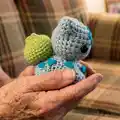
This pattern creates a small, palm-sized Bulbasaur amigurumi using worsted weight yarn and a 3.5mm hook. It includes step-by-step instructions for the head, body, ears, pod, legs and simple felt markings. The project is designed to be quick, stash-busting, and friendly for new crocheters wanting a charming finished toy.
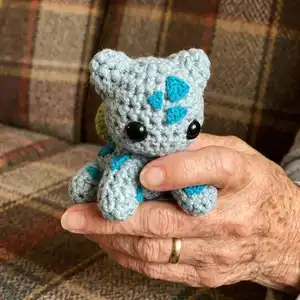
Bulbasaur Amigurumi Pattern crochet pattern - detailed view of completed project

Photographs show placement and finished pieces to help with assembly and finishing. Felt shapes are glued on for easy, customizable markings and a cute final look.

Why You'll Love This Bulbasaur Amigurumi Pattern

I absolutely love this pattern because it turns simple stitches into an instantly recognizable, delightful little character. I enjoyed designing it to be both compact and full of personality, using felt details to give Bulbasaur charm without complicated embroidery. I love that it is a quick project, perfect for using leftover yarn and making fast gifts for friends. I also enjoy how the separate pieces sew together easily, so you get neat, consistent results every time.

Bulbasaur Amigurumi Pattern step 1 - construction progress Bulbasaur Amigurumi Pattern step 2 - assembly progress Bulbasaur Amigurumi Pattern step 3 - details and accessories Bulbasaur Amigurumi Pattern step 4 - final assembly and finishing

Switch Things Up

I love how easy this pattern is to customize so I often switch yarn colors to create different characters or unique Bulbasaur variations.

I sometimes use pastel shades for a softer look, or bright contrasting felt pieces for a bolder, playful design.

If I want a larger version I switch to a bulkier yarn and a larger hook; the shapes stay the same but the toy becomes chunkier and cuddlier.

To make a tiny keychain version I choose finer yarn and a smaller hook, then reduce stuffing and use a keychain ring attached to the pod.

I also like to embroider eyes or use smaller safety eyes for different expressions when making toys for very young children.

Adding wire to the legs or connecting the limbs with a small button joint gives posability if I want a poseable figure.

For seasonal variations I change felt colors and markings to match holidays β€” orange and black for Halloween or red and green accents for festive versions.

I often glue on little fabric flowers or tiny accessories to personalize gifts and make each Bulbasaur feel special.

Try combining yarn textures, like a slightly fuzzy yarn for the pod and smooth yarn for the body, to create tactile contrast and interest.

When I want a sturdier toy I use tighter tension and more dense stuffing, and for plush, snuggly versions I keep tension relaxed and add extra polyfill for softness.

Common Mistakes & How to Fix Them

βœ— Placing safety eyes too close together makes the face look misproportioned; place the eyes 5 stitches apart as instructed between the increases to get the intended expression. βœ— Forgetting to stuff as you go results in lumps or misshapen parts; stuff the head and body gradually, adding small amounts of polyfill while shaping for a smooth finish. βœ— Skipping stitch counts during increases and decreases causes uneven shaping and incorrect stitch totals; count after each round and follow the exact increase/decrease pattern to maintain the correct shape. βœ— Pulling stitches too tight on small rounds makes assembly difficult and parts stiff; maintain even, moderate tension for a soft, malleable amigurumi that is easier to sew together. βœ— Leaving very short tails when fastening off can make sewing pieces together awkward; leave a long tail when finishing pieces so you can seam them securely without re-threading the needle.
Bulbasaur Amigurumi Pattern

Make an adorable mini Bulbasaur amigurumi you can finish in an afternoon. This pattern uses simple shapes and common stitches to create a cute collectible or gift. Clear, photograph-supported steps guide you through the head, body, ears, pod and legs. Perfect for using up small scraps of worsted yarn and adding felt details for personality.

Beginner Friendly 2-3 Hours

Materials Needed for Bulbasaur Amigurumi Pattern

β€” Main Fabric

  • 01
    Worsted weight yarn (#4) - Light Teal/Aqua (main body) - small amount (approx 25-40g)
  • 02
    Worsted weight yarn (#4) - Green (pod/back detail) - small amount (approx 10-25g)
  • 03
    Dark teal felt - small pieces for markings (triangles/angled shapes)
  • 04
    Polyfil or another soft stuffing - small bag for filling head, body, legs and pod

β€” Tools Required

  • 01
    Crochet hook size 3.5mm
  • 02
    Scissors
  • 03
    Tapestry needle for sewing
  • 04
    Glue gun or fabric glue for felt markings
  • 05
    1 pair 10mm safety eyes
  • 06
    Polyester stuffing (polyfil)
  • 07
    Pins for placement (optional)

Progress Tracker

0% Complete

β€” Head :

Row 1 :

CH 2, SC 8 in first stitch. (8 stitches)

Row 1 :

Alternatively, SC 8 into a magic circle

Row 2 :

INC x 8 (16 stitches)

Row 3 :

*SC, INC* x 8 (24 stitches)

Row 4-6 :

SC x 24 (24 stitches)

Row 7 :

*SC x 9*, INC, *SC x 4*, INC, *SC x 9* (26 stitches)

Info :

Place eyes 5 stitches apart (in between each of the increases)

Row 8 :

SC x 26 (26 stitches)

Row 9 :

*SC x 2*, DEC x 11*, *SC x 2* (15 stitches)

Info :

Stuff as much of the head as you can

Row 10 :

*SC x 4*, *DEC x 3*, *SC x 5*

Info :

Finish stuffing head, FO with SlSt.

β€” Body :

Row 1 :

CH 2, SC 6 in first stitch. (6 stitches)

Row 1 :

Alternatively, SC 6 into a magic circle

Row 2 :

INC x 6 (12 stitches)

Row 3 :

*SC, INC* x 6 (18 stitches)

Row 4-6 :

SC x 18 (18 stitches)

Row 7 :

*SC x 5*, INC, *SC x 6*, INC, *SC x 5* (20 stitches)

Row 8-10 :

SC x 20 (20 stitches)

Row 11 :

DEC to close, stuffing the body as you go. FO with a SlSt.

Info :

Sew head onto body (row 1 is the front of the body, and the increases done face the upwards.)

β€” Ears :

Row 1 :

CH 2, SC 6 in first stitch. (6 stitches)

Row 1 :

Alternatively, SC 6 into a magic circle

Row 2 :

*SC, INC* x 3

Row 3 :

*SC 2, INC* x 3

Info :

FO with SlSt

Info :

Sew ears onto head (I've provided a picture to use as a placement guide.)

β€” Pod :

Row 1 :

CH 12, join the ends into a loop with a SlSt. (You're just making a crochet ring with 12 stitches around.) (12 stitches)

Row 2 :

INC x 12 (24 stitches)

Row 3-4 :

SC x 24 (24 stitches)

Row 5 :

*SC 4, DEC* x 4 (20 stitches)

Row 6 :

DEC x 10 (10 stitches)

Row 7 :

DEC x 5 (5 stitches)

Row 8 :

SC 4, SlSt, FO.

Info :

Stuff pod (from the bottom)

Info :

Sew pod to the back of your Bulbasaur

β€” Arms and Legs :

Row 1 :

CH 2, SC 10 in first stitch. (10 stitches)

Row 1 :

Alternatively, SC 10 into a magic circle

Row 2-5 :

SC x 10 (10 stitches)

Info :

FO with SlSt.

Info :

Stuff legs lightly, and sew them onto body. (see pictures to the right and below for placement.)

β€” Markings and Finish :

Info :

Next comes the markings! This part is super simple, just cut out a bunch of triangles /other angled shapes of varying sizes and using the fabric glue/your hot glue gun, fasten them to your Bulbasaur.

Info :

And you're done!

Assembly Instructions

  • Place safety eyes on the head between Row 7 and Row 8, spacing them 5 stitches apart (positioned between the increases) before securing backs.
  • Sew the head to the body so that row 1 of the body is the front and the increases face upwards; use a ladder stitch or whipstitch and tighten for a neat join.
  • Sew ears onto the top of the head using the photo placement as a guide, aligning them symmetrically and hiding ends inside the head when finished.
  • Stuff legs lightly and sew four legs onto the underside of the body in pairs, spacing them evenly so the Bulbasaur sits stably.
  • Stuff the pod from the bottom, close it with the final rounds and sew it onto the back of the Bulbasaur centered over the rear of the body.
  • Glue felt triangles and markings to the body with fabric glue or a hot glue gun, arranging them to match the photos or to your own design.

Important Notes

  • πŸ’‘Use stitch markers to mark the first stitch of each round to keep track of rounds and increases consistently.
  • πŸ’‘Stuff the head and body gradually as you work to avoid overstuffing which can distort the shape of the amigurumi.
  • πŸ’‘Pin pieces in place before sewing to ensure correct placement and symmetry, especially for the head, legs and pod.
  • πŸ’‘When attaching safety eyes ensure they are secure and suitable for the recipient; felt or embroidered eyes are safer for toys for young children.

This Bulbasaur amigurumi pattern turns simple rounds into a lovable mini pocket companion you can finish quickly. Customize the felt markings and pod color to make your own unique version. Perfect as a small handmade gift or collectible to brighten any shelf. 🧢✨🐾

You ask,

we answer.

FAQs

What size will the finished piece be?

The finished amigurumi will be a small, palm-sized figure approximately 7-10 cm tall when using worsted weight yarn and a 3.5mm hook; exact size varies with tension.

Can I use different yarn weights for this pattern?

Yes, you can use different yarn weights but the final size and stitch counts will change; use a suitable hook for the yarn weight and expect a larger or smaller finished toy.

Do I need prior crochet experience for this pattern?

This pattern is rated beginner friendly, so basic single crochet, increases and decreases are required; if you know SC, INC and DEC you'll be comfortable following these instructions.

How long does this project typically take to complete?

Most crocheters complete this project in 2-3 hours, though time may vary based on experience level, assembly time, and how many felt details you add.

How should I attach the felt markings safely?

Use fabric glue or a hot glue gun to attach felt markings securely; if making the toy for young children, consider stitching felt pieces or embroidering details instead of gluing.