About This The Finley Blanket Pattern
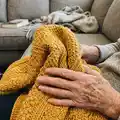
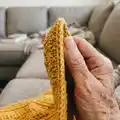
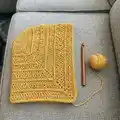
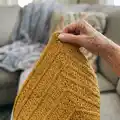
The Finley Blanket is a textured throw worked lengthwise to create vertical stripes with a modern look. It combines the bean stitch and half double crochet to produce a dense, cozy fabric that works up quickly. This pattern includes a foundation row, clear row instructions, and a simple border so you can finish with a polished edge. Photos and a bean stitch tutorial are referenced to help you master each step.
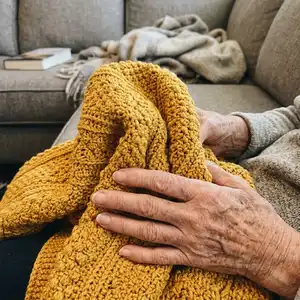
Designed for use with worsted weight yarn, the pattern gives a substantial, warm throw measuring approximately 45" x 53". Youll have leftover yarn when using the recommended skeins, making this an economical and satisfying make.
Why You'll Love This The Finley Blanket Pattern
I absolutely love this pattern because the bean stitch adds incredible texture without complicated shaping, making every row satisfying to crochet. I enjoy how the vertical stripes form naturally when worked lengthwise, giving a fresh modern look to a classic throw. The stitch combination creates a blanket with great drape and warmth, perfect for snuggling on the couch. I also love that the pattern uses easily available worsted weight yarn so you can start right away and still have yarn left over for other projects.
Switch Things Up
I love how easily you can personalize this pattern by changing colors; try alternating two colors every 8 rows for a striped version.
I often switch yarn to a bulky weight and a larger hook to make a chunkier, quicker version for last-minute gifts.
I sometimes add a contrasting single crochet border instead of the hdc border for a cleaner edge and pop of color.
Want a mini version? Use sport weight yarn and a smaller hook to create a baby blanket or lapghan with the same stitch pattern.
I like to swap the bean stitch rows for rows of puff stitches now and then to create different textures in the same layout.
For a reversible look, try working the border in the same bean stitch spacing to mirror the body texture on the edges.
I sometimes add tassels or pom-poms to the corners for a playful finish that adds personality to the throw.
If you prefer a lighter drape, pick a cotton blend yarn and the same hook size to keep stitch definition while reducing weight.
I recommend experimenting with ombre or gradient skeins to allow the yarn to create subtle color transitions without changing skeins.
Finally, I often use stitch markers to note the start of rounds and key row repeats so I never lose my place during long border rounds.
Common Mistakes & How to Fix Them
✗ Skipping the 3rd back bump instruction during the foundation row will change your stitch count; be sure to hdc in the 3rd back bump from hook to reach 169 sts.
✗ Forgetting that ch 2 does not count as a stitch can throw off your stitch alignment; always treat ch 2 as turning height only where the pattern specifies.
✗ Not securing the bean stitch with the chain 1 at the end of row 1 can cause stitches to work loose; remember to ch 1 to secure each bean stitch row.
✗ Working the bean stitch into the wrong space (hdc vs ch-1 space) will offset the pattern; carefully identify and work into the ch-1 spaces when instructed.