๐Ÿงถ Beautiful โœจ Detailed ๐Ÿ’ Adorable

Cascading Ripples Blanket Pattern

Cascading Ripples Blanket Pattern
3.9โ˜… Rating
8-10 Hours Time Needed
2.7K Made This
โœ‚๏ธ

Beginner Friendly Level

Perfect for those just starting their crochet journey, with clear instructions and simple techniques

โฑ๏ธ

All-Day Adventure

Requires 8-10 hours, ideal for a full day of immersive crocheting.

๐Ÿค—

Soft Hug

Gentle, plush, and full of warmth, creating a sense of comfort and coziness wherever they find a home.

About This Cascading Ripples Blanket Pattern

This pattern creates a 36-inch square cascading ripple blanket worked holding two strands of yarn together for a soft, dense fabric. The ripple pattern is achieved with simple single crochet and chain spaces, producing a gentle wave texture. It is an easy, repetitive pattern that is great for practicing stitch consistency and playing with color changes.
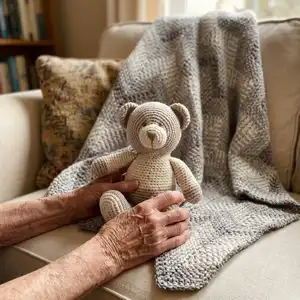
Cascading Ripples Blanket Pattern crochet pattern - detailed view of completed project

The blanket uses Bernat Baby Coordinates yarn in four colors and a 5.5 mm hook to obtain gauge. Clear row-by-row instructions and a simple edging make finishing straightforward and satisfying.

Why You'll Love This Cascading Ripples Blanket Pattern

I absolutely love this pattern because the cascading ripple creates a beautiful textured fabric with minimal effort. I enjoy holding two strands together to get a squishy, cozy drape that feels luxurious but is still very easy to work. The simple repeat makes it soothing to crochet while still being visually interesting, and the color changes bring the ripple to life. I also love that it uses basic stitches so you can focus on tension and color placement rather than complex techniques.

Cascading Ripples Blanket Pattern step 1 - construction progress Cascading Ripples Blanket Pattern step 2 - assembly progress Cascading Ripples Blanket Pattern step 3 - details and accessories Cascading Ripples Blanket Pattern step 4 - final assembly and finishing

Switch Things Up

I love how easy it is to customize this pattern with color choices; you can create a tonal ombre by choosing gradually lighter shades for each contrast color.

If you want a bigger blanket, I change my hook size and add more repeats of the 24-row Cascading Ripple pattern to lengthen or widen the piece.

I sometimes switch to a bulky yarn and a larger hook while holding one strand of a soft neutral together with a stripe color for extra loft and a cozier feel.

To make a miniature version for a gift or keychain, try using sport or fingering weight yarn with a smaller hook and fewer foundation chains.

I often add a decorative border such as crab stitch or a picot edge for a delicate finish that contrasts with the bold ripples.

Try alternating stripes of two colors every other 24-row repeat to create a bold stripe effect that complements the ripple texture.

For a more modern look, I pick high-contrast colors (e.g., navy and white) and keep the edging minimal to let the ripples stand out.

I sometimes embroider simple motifs onto the finished blanket to personalize it with initials or a small motif, adding a handmade touch.

To make the blanket reversible, keep color changes minimal and ensure your join method is tidy so both sides look great when folded or draped.

If you want texture variety, I replace one of the single crochet rows with a row of half double crochets to add a subtle ridge within the ripple repeats.

When gifting, I package the blanket with a matching crochet headband or toy in the same yarn colors to create a coordinated set that feels extra special.

I always recommend testing one full 24-row repeat in any new colorway to ensure you like how the ripples and color transitions read before committing to the whole blanket.

Common Mistakes & How to Fix Them

โœ— Skipping marking every 50th chain can make counting the foundation chain difficult; mark every 50th chain as instructed to keep your stitch counts accurate. โœ— Not holding two strands together consistently will change fabric density and gauge; always work with the two strands held together for the entire blanket. โœ— Working the first and last single crochet when the pattern says to leave them unworked will distort the selvedge; leave the first and last sc of each row unworked for neat edges. โœ— Changing hook size mid-project without adjusting tension will alter the finished size and ripple proportions; if you change hook size, check your gauge and adjust chain count if needed.


Cascading Ripples Blanket Pattern

Make a soft, textured ripple blanket that measures approximately 36 inches square. This easy pattern uses simple single crochet and chain stitches worked holding two strands together for a plush, warm fabric. You will love the gentle cascading ripple effect and the way the color changes highlight the waves. Ideal for baby gifts, cozy throws, or a calming weekend project.

Beginner Friendly 8-10 Hours

Materials Needed for Cascading Ripples Blanket Pattern

โ€” Main Fabric

  • 01
    Bernat Baby Coordinates (160 g / 5.6 oz)
  • 02
    Main Color (MC) (09131 Blue BonBon) - 2 balls
  • 03
    Contrast A (01005 Sky) - 2 balls
  • 04
    Contrast B (01009 Soft Blue) - 2 balls
  • 05
    Contrast C (01000 White) - 2 balls
  • 06
    Work holding 2 strands of yarn together throughout the project

โ€” Tools Required

  • 01
    Crochet hook size 5.5 mm (U.S. I or 9) or size needed to obtain gauge

Progress Tracker

0% Complete

โ€” Measurement :

Info :

Approx 36 ins [91.5 cm] square.

โ€” Gauge :

Info :

12 sc and 13 rows = 4 ins [10 cm] with 2 strands tog.

โ€” Stitch Glossary :

Infos :

See page 24 for Helpful Hints. Approx = Approximately. Ch = Chain(s). Cont = Continue(ity). Pat = Pattern. Rep = Repeat. Sc = Single crochet. Sl st = Slip stitch. Sp(s) = Space(s). St(s) = Stitch(es). Tog = Together.

โ€” Materials :

Info :

Bernatยฎ Baby Coordinates (160 g / 5.6 oz). Main Color (MC) (09131 Blue BonBon) 2 balls. Contrast A (01005 Sky) 2 balls. Contrast B (01009 Soft Blue) 2 balls. Contrast C (01000 White) 2 balls. Size 5.5 mm (U.S. I or 9) crochet hook or size needed to obtain gauge.

โ€” Instructions :

Info :

Note: Entire blanket is worked holding 2 strands of yarn tog. First and last sc of each row is left unworked.

Info :

Cascading Ripple Pat With MC, work 1 row. With A, work 1 row. Rep last 2 rows once more. With B, work 1 row. With A, work 1 row. Rep last 2 rows twice more. With B, work 1 row. With C, work 1 row. Rep last 2 rows 3 times more. With B, work 1 row. With A, work 1 row. Rep last 2 rows twice more. These 24 rows form Cascading Ripple Pat.

Info :

With 2 strands of MC, ch 167. Mark every 50th ch for easier counting.

1st row :

1 sc in 2nd ch from hook. *(Ch 1. Miss next ch. 1 sc in next ch) 6 times. Ch 2. (1 sc in next ch. Ch 1. Miss next ch) 6 times. 1 sc in next ch.** Miss next 2 ch. 1 sc in next ch. Rep from * 4 times more, then from * to ** once more. Fasten off. Turn. 166 sts.

2nd row :

Join 2 strands of A, with sl st to first ch-1 sp. Ch 1. 1 sc in same sp as sl st. (Ch 1. Miss next sc. 1 sc in next ch-1 sp) 5 times. Ch 1. *(1 sc. Ch 2. 1 sc) in next ch-2 sp. (Ch 1. Miss next sc. 1 sc in next ch-1 sp) 6 times. **Miss next 2 sc. (1 sc in next ch-1 sp. Ch 1. Miss next sc) 6 times. Rep from * 4 times more, then from * to ** once more. Fasten off. Turn. First 2 rows of Cascading Ripple Pat are complete.

Info :

Keeping cont of Cascading Ripple Pat, rep last row until Cascading Ripple Pat has been worked 5 times. With MC, work 1 row. With A, work 1 row. With MC, work 1 row. Do not turn.

โ€” Edging :

Info :

With 2 strands of MC, working along side edge of Blanket, proceed as follows: Ch 1. 1 sc in side of each sc down side of blanket. Fasten off. Join 2 strands of MC with sl st to first sc on other side of Blanket. Ch 1. 1 sc in side of each sc up side of Blanket. Fasten off.

Assembly Instructions

  • Mark every 50th chain on the foundation chain of 167 to make counting easier and to keep the ripple pattern aligned.
  • Work the entire blanket holding two strands of yarn together as you work each row to achieve the correct gauge and fabric density.
  • Leave the first and last single crochet of each row unworked to create tidy selvedge edges before applying the edging.
  • For the edging: with 2 strands of MC, work 1 sc in the side of each sc down the side of the blanket, fasten off, join with sl st to the first sc on the opposite side and work 1 sc in the side of each sc up the other side, then fasten off.
  • Fasten off securely after finishing and weave in all ends; block or steam gently if desired to even out the ripple and relax the stitches.

Important Notes

  • ๐Ÿ’กUse stitch markers or a removable marker every 50 chains on the foundation chain for accurate counting and easier setup.
  • ๐Ÿ’กKeep two strands held together for the full project for consistent gauge and drape across the entire blanket.
  • ๐Ÿ’กLeave the first and last single crochet of each row unworkedโ€”these create the edge used for the finishing edging rows.

This Cascading Ripples Blanket pattern makes a plush, 36-inch square throw perfect for baby showers or cozy home use. The gentle ripple texture and soft Bernat Baby Coordinates yarn create a luxurious handmade gift. Follow the clear row-by-row instructions and enjoy a soothing, repetitive stitch pattern that is relaxing to crochet. ๐Ÿงถโœจ

You ask,

we answer.

FAQs

What size will the finished piece be?

The finished blanket measures approximately 36 inches [91.5 cm] square when using the recommended yarn and hook size.

Can I use different yarn weights for this pattern?

You can use different yarn weights, but this will change the finished size and drape; if you switch yarn weight, adjust your hook size and check your gauge before continuing.

Do I need advanced crochet skills for this pattern?

Noโ€”this pattern is rated Beginner Friendly and uses basic stitches (single crochet and chain) with simple repeats, making it suitable for crocheters with basic skills.

How long does this project typically take to complete?

Most crocheters complete this blanket in about 8-10 hours, though time may vary depending on your speed and how much time you spend on color changes and finishing.