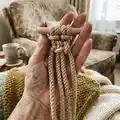
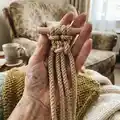
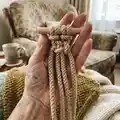
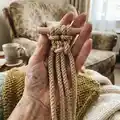
About This Basic Knots & Techniques Pattern
This concise guide teaches the fundamental knots used in macrame and cord-based craft. Each knot is shown with step-by-step instructions and photos so you can follow along easily. You'll learn how to mount cords, form knot structure, and finish tidy ends for home decor pieces.
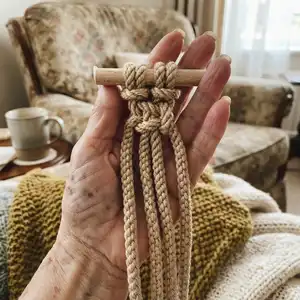
Ideal for beginners who want to build confidence with basic knotting techniques. Use these knots as building blocks for wall hangings, plant hangers, and other projects.
Why You'll Love This Basic Knots & Techniques Pattern
I absolutely love this pattern because it turns intimidating knotting techniques into simple, repeatable steps that anyone can learn. I enjoy seeing how a few basic knots can transform simple cords into beautiful textures and functional pieces. I created these instructions to be photo-forward and friendly, so you always know what the knot should look like as you work. I take pride in giving clear directions that save time and frustration, especially for beginners. I hope this guide sparks your creativity and helps you build confidence in macrame.
Switch Things Up
I love experimenting with cord colors to completely change the look of the same knot—try ombre or alternating shades for a striking effect.
I often switch cord thickness: using a chunkier cord with the same knot gives a bolder, more sculptural piece.
I sometimes mix materials, like cotton cord with metallic accent strands, to introduce subtle shine into my work.
For a delicate piece, I pick thinner cord and smaller dowel; for a dramatic piece, I choose thick cords and a long wooden rod.
I also combine knots: a row of Square Knots followed by diagonal Double Half Hitches creates nice contrast and texture.
To make a fringe look fuller, I comb out the ends after trimming and add a small amount of fabric stiffener if needed.
I like to add beads or wooden rings between knots for interest—slide them onto filler cords before knotting to secure them in place.
When I need a neat finish, I use a Gathering Knot and then wrap a contrasting color for a pop at the base of the hanging.
If I want a portable mini version, I shorten cord lengths and use smaller dowels; it's great for keychains or small ornaments.
I encourage you to try mirrored patterns by repeating knot sequences in reverse to create symmetrical designs that feel balanced and intentional.
Common Mistakes & How to Fix Them
✗ Not keeping even tension across cords can make knots look lopsided; maintain steady, moderate tension and check symmetry frequently.
✗ Skipping the correct placement of filler and working cords causes knots to fail; identify filler (core) cords and working cords before tying each knot.
✗ Failing to mount cords securely on the dowel leads to slipping while you work; use Lark's Head knots or secure loops carefully and test the hold before continuing.
✗ Overtightening knots can distort the design and shorten your working length; tighten gradually and shape knots with your fingers for a balanced look.
✗ Not trimming or finishing ends properly results in a messy final piece; finish with a gathering knot or neatly trim and seal ends for a clean appearance.